I probably should state the following preamble before jumping in: I am a musicologist. I have applied to the music history master's program at BYU, and I intend on getting a PhD and someday teaching music history courses at a collegiate level. I have already taken part in several research projects about bluegrass music, and I am currently assisting a professor at BYU in writing a book about Miles Davis. I consider myself to be an extremely well-rounded musician. I am a pop singer, a junior high school music teacher, and a traditional choral artist. I've performed in operas, rock shows, and avant-garde performance art pieces. I love Lady Gaga, George Crumb, Beethoven, and the White Stripes. I pass my time reading the American Musicological Society Journals and books by Joseph Kerman and Deems Taylor. I know I'm a nerd, and I'm very proud of it. I am also very passionate, as you will soon see by this super long rant that I'm about to go on regarding a very nerdy subject. But I am also a human being with human desires, one of my strongest being to make the world a better place. With all this in mind, please read on:
A friend of mine linked me to the following facebook status from someone who is a fellow music major at BYU:
"Dear music history teacher. Please stop assuming we all love your class and want to devote every waking moment contemplating how cultured we are for taking this class. Reality check: We all hope you will realize that your subject contributes nothing to society. Stop being a required class."Here was one of the comments:
"I think you're 100% right. Music history doesn't affect my playing at all. And it doesnt make money outside the university system. Really, what do music historians do? They teach music history, and do research to fill their need for a hobby. It has no direct effect on society or I would even wager the bulk of music today. It doesn't change what people like, it doesn't change their desires. Exposure to music and studying the history are two very different things... University music programs need to climb out of their bubble and face reality, the world doesn't value the bulk of what they do... I would wager that if the class wasn't required they wouldn't have enough student participation and the class dropped and the teacher let go. Which would make university costs cheaper by at least 40000 a year."Oh, how these comments make me weep with disgust, terror, and sorrow! Yes, weep. I cried when I read this. I cried because it makes me very sad to think that there are people in this world who believe that music history is a useless and irrelevant field. People who think this way could not be more wrong.
In the following paragraphs, I will consciously choose to ignore the not-so-subtle insult to music history teachers -- and perhaps teachers in general -- that are contained within these comments. I will try very hard not to feel personally attacked by the underlying FALSE notion that music history teachers are bigots who don't know anything about their students' needs or values. I will overlook the fact that these comments are devaluing classical music -- the music that has fueled composition and musical inquiry for centuries -- in favor of other musical genres (which is ironic, since the first quote was coming from someone majoring in classical music...). I will also overlook the notion that the world of academic music is obsolete and irrelevant to society. I will set aside the scathing implication that if the world were supposedly perfect, I would be out of a job that I have become highly trained to perform through years and years of collegiate study and work. I will ignore all of the complete rubbish and stupidity that I read in these two comments and instead specifically focus on that penultimate line from the first quote, that music history "contributes nothing to society."
If you, as a musician, believe that it is not important to understand the heritage of your craft, you are very much mistaken.
I will repeat that. In bolds and italics: If you, as a musician, believe that it is not important to understand the heritage of your craft, you are very much mistaken.
First of all, in reference to the claim that music history is just a high-falutin hobby... To be frank, we could say the exact same thing about professional musicians. There are indeed people out there who believe that while performing music is fun and fulfilling, it shouldn't be taken seriously as a career. This kind of attitude not only hurts performing musicians, but also public music education programs, composers, and music appreciators.
If we want to discuss USE VALUE in any art, we could realistically rationalize it out of use in our society completely. All we really NEED is food, shelter, expulsion of waste, sex, etc... All this "art" is just fluff. A waste of precious resources we could be using to feed dying children in foreign countries and shelter the homeless in our own. I'm sure people searching for their next meal aren't worried about music, classical or otherwise. Sure, it can be fun, but why pay anyone to make music? In the grand scheme of things, it's useless enough to be a hobby. Why, then, in heaven's name, do we as a society pay millions -- yes, MILLIONS -- of dollars to music as a high art form. Why do people still voluntarily invest in public classical radio, to choir and band programs in public schools, to orchestra halls and opera companies and record labels and finely-crafted instruments and collegiate music schools and score libraries and private teachers... Oh, I could go on and on! As a college musician, you are paying a great deal of money to simply have the CHANCE of getting paid to make music. Why? (And this isn't Katy Perry or Maroon 5, either. This is Wagner, this is Scarlatti, this is Debussy... This is CLASSICAL MUSIC that we are paying for. I haven't yet mentioned the millions and millions of dollars being made by popular musicians through record sales and concert tickets, or the huge affairs that we make out of things like the Grammy Awards to celebrate those ridiculous money-wasters we call popular musicians and composers.)
And, in conjunction with all the money that we spend, let's consider the TIME we choose to spend on classical music. What about the thousands of hours we spend in practice rooms or rehearsals? Couldn't we be spending that time doing something USEFUL? Like building habitats for humanity or finding the cure for cancer? And if we want to put a gospel spin on this... Why do we do all of this stuff when we could be raising families, fulfilling callings, doing service and missionary work. Why are we investing ALL THIS TIME and ALL THIS MONEY to something as trivial and overall useless to our basic survival as MUSIC?
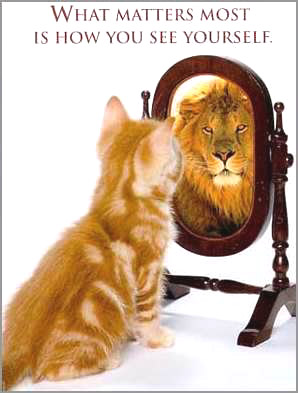
WHY? Because we recognize that there is much more to life than simply survival. As Gordon B. Hinckley said, "Life is to be enjoyed, not just endured." Not only does music bring meaning, enrichment, and happiness to our lives, but we also get the chance to use music to provide these same blessings to others. Suddenly music becomes an act that helps make the whole world -- not just our own individual selfish lives -- a better place. And that is AWESOME. That is GOOD. The fact that society loves music legitimizes the careers of professional musicians! They deserve to be paid for what they do because what they do makes our lives awesome. It's this spirit of legitimization that causes memes like this to appear all over Facebook:

We understand the value of good art. We acknowledge that learning an instrument or how to sing takes skill and practice. We see advocates for "supporting the arts" all over the place because deep down we know that music is important to us. Those who don't understand how important it is that we have skilled musicians, composers, and music teachers in society are living with spiritual blindfolds over their perspectives.
Now I'm not here to make a huge argument about supporting the arts in schools or paying musicians more money. I'm here to argue that the same line of logic can be stated in rebuttal for those who choose to belittle and understate the value of music history.
History and the arts have something very important in common: Both are recognized as valuable ways in which we not only endure life, but enjoy it. If you believe music history is merely a tool for colleges to make money and has no use in our society's education, would you say the same for all historians? I hope not. I hope that by now, after years of having US history and world history and church history etc. shoved down your throat that society values and respects history's importance. And history could not be accurate or accessible to us if it weren't for the thousands of men and women who dedicate their lives to extract truths about times we no longer have direct access to. Ever wonder what the world would be like today if we didn't have Egyptian mummies (imagine the toll on the film industry!), ancient Japanese costume and architecture, photographs from the first World War, journals and letters from our Founding Fathers, the Bible??? And it's not just simply possessing these artifacts; it's UNDERSTANDING them that makes them valuable!
History inspires us. Practically every creative act has been inspired by something that has happened in the past. Whether it be a recent, trivial event like a high school break-up or a distant, catastrophic event like Hiroshima, it is often history that motivates the artist to create. It's this same inspiration that leads us to contemplating the meaning behind Stonehenge, referencing the tragedy of the Titanic, and cancelling school to celebrate Martin Luther King. In order for history to inspire us in this way, we of course need to know what happened! Isn't it important, then, that we have people out there who take time out of their lives to collect artifacts, gather data, and publish findings in ways that we can understand so that we can appreciate and gain this creative and enriching inspiration?
Example: The Constitution was written over two hundred years ago, and here we are today still abiding by its precepts. How important is it, then, that we have trained professionals who have taken the time to understand the language, cultural context, and physical nature of such a document? Answer: VERY IMPORTANT.

Looking at music specifically, how do we find our treasured musical works so that we can learn to play them in the first place? People who know where to find it. And if we are curious to know when it was written or why? Who does the grunt work for us? Researchers. Scientists. Philosophers. Sociologists. Anthropologists... in sum, MUSIC HISTORIANS. If we feel comfortable paying someone to analyze and assess the Constitution of the United States, why do we not feel comfortable paying someone to spend years of schooling, countless hours of research, and hundreds of dollars (Yes, it DOES cost money to do research!) to discover, analyze, and assess the works of Mozart, Bach, Stravinsky, etc? Perhaps there are other composers of equal caliber that we have not yet discovered? Perhaps we have not yet unlocked the full potential of composers that we often overlook? Perhaps there are connections that have not yet been made between one artist and another? If we value music the way we claim to value it, we should be willing to invest in it this way. Those professors who spend four hours a week teaching you about Wagner and Mahler are spending the rest of their day exploring these very questions (and let me add that these aren't the kinds of questions that a computer can answer!).
If you, as a paid musician, deserve to do something YOU love that makes the world a better place, then we musicologists and theorists deserve the same privilege. It's not just a hobby. It's a lifestyle, a commitment, and a legitimate career. How dare you say otherwise!!
Now let's talk about music history's place in our system of music education. The above quotes claim that making music history a required class at a collegiate level is detrimental to students, irrelevant to their chosen major, and a waste of money.
Music history is a branch of art history, which basically covers the lives and works of individuals who have taken the time out of their lives to create something beautiful. A music history class is indeed a MUSIC EXPOSURE class, where we get the chance to hear music we otherwise would not have heard and learn about composers we might not otherwise have discovered. And while it has been argued that music history and exposure are not the same thing, I argue that a music history class is TARGETED EXPOSURE. It introduces works and composers that have stood the test of time and earned worthiness in our modern-day discussion about music as a tradition and an art form. Rather than spending time studying every symphony by Haydn, we only look at one primary example that may represent many of the others. As students, we trust that the writers of the textbooks and the class instructors have the wisdom and resources to know what would be the most beneficial for us to know and understand about such a broad and varied topic.
And if you have trouble believing that highly-trained and highly-experienced scholars and writers have anything worthwhile and trustworthy to say on a given subject like music history, then I would suggest that your issue lies not with music history but with authority. Authoritarianism and elitism are present in any field that contains even a hint of subjectivity. This includes other arts, education, technical trades, and even STEM fields! Musicologists are aware of the authoritarian, hierarchical social structures that can be present in their community. The issue we have today regarding what should and should not be contained in a textbook is one that music historians take very seriously, and the climate is rapidly changing to be more inclusive and relevant to today's age. I can tell you more about these changes later. But in the meantime, perhaps you could remember for a second that there are people out there who might have some insights that you do not? I'm not saying it's bad to question a textbook, and you don't have to like every single piece that's in there. But at least you got the chance to form an opinion about it, and perhaps you learn about yourself in the process. I'd suggest actually READING the book first and LISTENING to the pieces first, before you deem them unworthy of everyone's time. Break the normal "college-student" stereotype and exercise some humility.
As a choral singer who dabbles very little in the instrumental world, I knew nothing of Scriabin, Vivaldi, Ives, Berlioz, or Strauss until I took music history. I'm sure many instrumentalists didn't know much about Schubert, Berio's 'Sequenza III' or romantic opera until they took music history. And if all you know is classical music, college classes taught by these "out-of-touch" professors also teach classes about jazz, rock and roll, world music, music technology, music psychology, the list goes on.
All Musicians Use Music History
It's true. No matter what sub-field of music you are in, you use music history. It applies to you. It matters to you. You are indebted to it. Don't believe me? Read on.
Music History Inspires Further Creation
Music history is often taught in conjunction with music composition. To be frank, I don't think you can be a good composer without knowing a little bit about music history, and therefore music history classes should be especially emphasized in composition programs. So much of what composers do is steal from other composers. Music history and theory become their tools. The more they know about music history and theory, the more complete their toolbox becomes.
For example:
We know that Mozart was deeply inspired after looking at the manuscripts of Bach.
We know Stravinsky was inspired by Russian folk tunes, resulting in the creation of his explosive ballet, "The Rite of Spring."
We know that John Cage knew enough about music philosophy and history to completely reject previous notions about music and start using pure chance to compose.
And it even happens among popular musicians...
Lady Gaga, who once drew on classic rock musicians like Bruce Springsteen to create her album Born This Way, has just completed a tour of performing jazz standards with Tony Bennett. They also did a record compilation, which won a Grammy. This girl obviously values history.
Artists like the Talking Heads, Peter Gabriel, and the Beatles were drawing on inspirations from non-Western cultures to inform their music. These same cultures are being discussed in classrooms in Universities around the world -- classes taught by none other than MUSICOLOGISTS.
The song "All By Myself," originally by Eric Carmen and made famous by the likes of Celine Dion, was completely ripped from a piece Mendelssohn's Second Symphony.
Weezer quoted the Shaker tune "Simple Gifts" in their song "The Greatest Man That Ever Lived." This same Shaker hymn was quoted by Aaron Copland in his ballet "Appalacian Spring."
Stanley Kubrick (who, admittedly, is not a composer, but a filmmaker) makes use of classical music in films like 2001: A Space Odyssey and A Clockwork Orange. These quotations are not only memorable, but moving and iconic. Some of these pieces were written as far back as two hundred years ago.
It is obvious that human beings are inspired by other human beings. Good artists expose themselves to other artists within their field and craft, learned from them, and create new, interesting, and relevant things based on what they learned. I guarantee that there is no exception to this rule. No one creates in a vacuum.
Part of the reason why we have music history classes is to simply introduce young composers (and potential composers?) to some of these tools. Counterpoint. Instrumentation. Style. Text painting. Subject matter. This stuff may very well inspire you to write a piece of your own! You never know what kind of trajectory your musical life will take... I'll get to that more later.
Music History as an Educator's Tool
How does music history help those who do not chose to compose -- for example, music educators in public schools? Speaking as more of an educator than a performer or a composer, I argue that the exposure from Music History classes has helped me make better repertoire choices for those I teach. I know of a lot more high-quality choral music now than I did before, so instead of only choosing Whitacre and Handel's Messiah and other overdone pieces, I can choose from Palestrina, Schütz, Rachmaninoff, Arvo Pärt, and a host of others. Students are curious. They often ask why songs are important or why it sounds the way it does. Having on-hand information about the context of the piece can be a useful teaching tool. Through that empowering thing called knowledge, my students will get to enjoy this music as much as I do. All of us can be inspired by history, and teachers have the special opportunity to act as agents of exposure.
Music History Makes for Interesting Concerts and Performances
Performers have audiences. Audiences are usually hungry for inspiration and for enrichment when they come to concerts. How many times have we walked out of a concert wanting to know more about a piece that we heard? How nice is it to hear something that is not only beautifully written and performed, but also something that they may not have heard before?
Exposure begets exposure. It's simple logic. The audience cannot be exposed to Bach without the performers first being exposed to it. Thus the need for targeted exposure through music history class. We get the chance, as performers, to also act as agents of exposure and inspiration for our audience. The music we hear and enjoy in a music history class becomes the music we share so that others can also enjoy it. Do not think that your music history education is irrelevant! It's an opportunity to gain inspiration for your own life and to inspire others at a future date!! Don't take it for granted.
A personal story, now, to give you a hint at where I come from as a musician, educator, and academic. I didn't know I wanted to be a musicologist until I took Music 201 for a simple civilization credit. I was not yet a music major, but after that class, I could not see myself as anything but one. I became hooked. I explored Gregorian Chant, studied scores, looked up other music. I also explored other branches of art history (namely modern visual and performance art) with the same fervor. Music history became my passion.
College is an interesting thing. You could argue that we should never have to take any GE courses because they don't apply to what we want to do with our lives... but who's to say that they couldn't become an important part of our lives? There's a phrase, "You never know until you try." I think it applies here. I would never have explored music history as a career unless I was put in a position where I had to try it out. You could call colleges manipulative and money-hungry, or you could acknowledge the fact that our society appreciates well-rounded individuals and the promise of success through opportunity and through learning and growth. By making Music History a required class, the school of music is hoping that every student will have an opportunity to feel the same high that I did. The only thing that prevents this is the students' attitudes, which are overall very negative.
(Of course, I had a very inspiring and enthusiastic teacher for 201, and this definitely helped. I agree, it can be hard to understand the value of a certain subject if the person teaching is not giving you the impression that it is valuable to you. Perhaps the first quote we saw was a response to a very bad teacher... But that doesn't excuse the fact that you should be able to look past the dry professor shouting out names and dates from a podium and recognize the value of the actual subject. You are in college now, after all. You're not expected to take everything at face value. If you put in the effort, you will find the juicy inspiration that can be found within the music that you are being exposed to, and I wager that you will feel a similar thirst for knowledge that I have felt, and you will come to appreciate the music that you play even more than before.)
I think our young people have a problem with negative attitudes toward learning in general. People complain about how calculus shouldn't be taught in schools because it's all theoretical and inapplicable in real life and therefore useless. I think these people miss the point. Sometimes we need to not just learn, but learn how to learn. As much as I value personal application, I feel like we're beginning to head in a direction that's not so much asking "How does this apply to me?" but rather asking "What's in it for me?" We seek immediate validation for what we learn. We seek direct and easily measured applications, rather than take the time to delve into other potential uses that may not be so obvious. It's this selfish attitude towards learning that causes arts programs to shut down in public schools. If the students aren't gonna make any money off of it like they do with math and science, why teach it? If music is such an abstract concept that can't be measured with standardized tests and immediate results, why teach it? What the materialistic twenty-first-century America fails to see is that there are many more treasures that we can gain in life besides money and praise. Advocates for music education in schools understand that students learn great life lessons and valuable skills through music. I argue that we also learn a great deal of these same things through music history.
What do we learn from Music History?
We learn how to verbally discuss the musician's craft. One of the important components of musicology is learning how to talk about music. Music has its own particular language and terminology, and musicians need to learn how to speak it. We, as musicians, need to be able to discuss a particular passage or set of measures in a way that other musicians would be able to understand what we are saying. Rather than fishing for words, hoping one will catch, we will have a bank of terms that we can pull out to describe what we hear and what we play. Terms like "counterpoint," "block construction," "Baroque," "sonata," and "polychord" can be very useful, but we need to take the time to learn what these words mean.
And on a more general level, I think it's important that every college student knows how to effectively communicate in spoken and written language. Something that I actually find very remiss about the entire BYU music education system is the fact that we are given very few opportunities to WRITE about music. There is no real research paper required in any music-specific class. In 305 and 306 we are asked to write short essays, but never are we required to write a legitimate, full-length paper about music. We aren't asked to write written analyses, reviews, or even simply personal essays about musical works. I know of several college students who would crucify me for saying this, but I envy the students who are required to write at least one major written work, complete with proper citation, correct grammar, and an enforced deadline.
Yes, we play music. We write music. We teach music. But how well do we COMMUNICATE about music? What common communication skills are other college students learning that music students don't get the chance to learn? Music students may not fully know how to perform research, read a textbook, define a term, present an argument, give an oral presentation, or work in discussion groups. When our compositions are solely musical, the non-musical then suffer in the dark. We may be able to play a sonata, but are we, as musicians, learning how to communicate to the entire world about what we love? How do we advocate? How do we educate? How can we really contribute? How can we call ourselves college-educated if we go through our entire music education without touching these important social and academic communication skills?
Music History creates cultural capital. This goes back to my claim that our society has conferred significant meaning and value to music. Whether or not you directly use your music history skills in performance, conductors often want well-rounded musicians who understand the music that they are playing from a contextual standpoint. And who's to say that you DON'T use things you learn in music history classes in performance? Conductors want musicians who know how important the third scale degree is in Stravinsky's "Symphony of Psalms." They want musicians who will at least appreciate the importance of a 12-tone work, and take it seriously. They want musicians who can feel the transcendence of Mozart's Requiem because they understand the circumstances in which it was written. If you can't find any other good reason to take music history, at least take it so that you can look good on your resume.
Musicology also provides another opportunity for musical analysis, which involves problem-solving and critical-thinking skills. These skills are VITAL for finding and keeping a job! Knowing how to diagnose problems, synthesize information, and find solutions are important in any career. Conductors and producers want proactive musicians who USE THEIR BRAINS. College has a myriad of purposes, but one one the biggest ones is for students to practice USING THEIR BRAINS. Sometimes the practice lies in playing the same two measures over and over again in a practice room, but other times it involves figuring out why the Neapolitan plays such an important part in Beethoven's "Eroica" symphony. We practice these skills by drawing parallels between the classical period of the 18th century with the neoclassical period from the 20th. We make great strides in logical reasoning and problem solving when we figure out the historical implications of Wagnerian opera, or the motivations behind works like Penderecki's "Threnody for the Victims of Hiroshima."
Music history = a workout for your brain. And while we may feel the burn, we know that the outcome will be beneficial to us. We may not like our vegetables, but we know they're good for us. We can either choose to endure in discomfort, or embrace the experience with hope and enthusiasm for the future.
Music history has taught me how to listen. Playing music is great, but LISTENING to music is also an artistic act. I have been extensively taught that ACTIVE LISTENING is something that we should teach our children in music classes. Back to my exposure argument, music history is not only a place that simply exposes you to well-written music, it also exposes you to well-PERFORMED music. It gives you a chance to hear highly-trained groups play great music. Of course you can go hunting for your favorite recordings on your own, but a class provides a great starting point for those who have not yet been exposed to great performances. And as we listen to these performances, we need to be aware of the nuance, the dynamic change, the instrumentation, the style, the story... the ART that we are hearing! Music history teaches musicians how to listen.
And not just how to listen, but how to connect what they hear to what they see. Honestly, if you come to a music history class without your score, you are doing yourself a disservice. Aural and literacy skills are improved as you listen to music while watching it unfold on a score. As you practice "watching" the music, you'll discover more and more things that you may not have seen before. You may not initially HEAR the patterns of developing variations in the works of Brahms, but you might be able to SEE them on the orchestra's score, and your listening experience could change completely from that point forward! Try doing THAT during rehearsal, when all you have is your own part! Not so easy, huh? And isn't it nice having a trained professional in the room, guiding you toward things you might not see on your own?
(Quick side note: I've also found that I am much faster at transposing instruments from different keys by analyzing and discussing musical scores. I'm not even an instrumentalist, but I feel pretty good at it now!)
Another benefit that comes from music history: You understand people better. I loved learning about the Schumann family in 306. Robert Schumann was a fascinating individual that I relate to quite a bit. He writes about love, just like I do. And he was misunderstood and he had mental problems and he felt alone sometimes, just like I do sometimes. I find myself connecting deeply to particular artists and composers who seem to share my passion for music, life, and other people.
One valuable piece of truth I have discovered in researching bluegrass musicians for my honor's thesis is that some things don't change. People have been singing about sex, drugs, God, war, and grief for hundreds of years. While the way the emotions are presented may be a little different, we still carry these same basic human emotions within us today. By discrediting the importance of learning about the works of talented people who came before us, we are very much discrediting those people themselves. After all, don't you agree that the art that you create is part of who you are? Wouldn't YOU like to be remembered and discussed after YOU died if YOU wrote something that was amazing?? I know I would. Music history leads to music appreciation. It is our chance to pay homage to those awesome folks who have given us such inspiring works to enjoy.
My final thought would be this: I care about music history, and I am a human being. Out of respect to me, as a human being, I would hope that you, too, would appreciate what I have chosen to do as a career. It is in no way immoral to be a musicologist. And hopefully I have proven to you that it is also not a waste of time. I would also hope you look upon your music history professors with a little more respect. They are not simply pawns in the greedy collegiate clockwork. They are doing something they love and they are making a contribution to society. We can question whether or not we should make 305 and 306 a requirement for all music majors all we want, but the bottom line for me is this: 305 and 306 changed my life for the better, and I would love to see other lives get changed the same way mine did. Hopefully such a desire is both righteous and relevant to today's musical market.
I will end with yet another comment that I read on the same facebook feed. This one brought me tears of joy:
I will repeat that. In bolds and italics: If you, as a musician, believe that it is not important to understand the heritage of your craft, you are very much mistaken.
First of all, in reference to the claim that music history is just a high-falutin hobby... To be frank, we could say the exact same thing about professional musicians. There are indeed people out there who believe that while performing music is fun and fulfilling, it shouldn't be taken seriously as a career. This kind of attitude not only hurts performing musicians, but also public music education programs, composers, and music appreciators.
If we want to discuss USE VALUE in any art, we could realistically rationalize it out of use in our society completely. All we really NEED is food, shelter, expulsion of waste, sex, etc... All this "art" is just fluff. A waste of precious resources we could be using to feed dying children in foreign countries and shelter the homeless in our own. I'm sure people searching for their next meal aren't worried about music, classical or otherwise. Sure, it can be fun, but why pay anyone to make music? In the grand scheme of things, it's useless enough to be a hobby. Why, then, in heaven's name, do we as a society pay millions -- yes, MILLIONS -- of dollars to music as a high art form. Why do people still voluntarily invest in public classical radio, to choir and band programs in public schools, to orchestra halls and opera companies and record labels and finely-crafted instruments and collegiate music schools and score libraries and private teachers... Oh, I could go on and on! As a college musician, you are paying a great deal of money to simply have the CHANCE of getting paid to make music. Why? (And this isn't Katy Perry or Maroon 5, either. This is Wagner, this is Scarlatti, this is Debussy... This is CLASSICAL MUSIC that we are paying for. I haven't yet mentioned the millions and millions of dollars being made by popular musicians through record sales and concert tickets, or the huge affairs that we make out of things like the Grammy Awards to celebrate those ridiculous money-wasters we call popular musicians and composers.)
And, in conjunction with all the money that we spend, let's consider the TIME we choose to spend on classical music. What about the thousands of hours we spend in practice rooms or rehearsals? Couldn't we be spending that time doing something USEFUL? Like building habitats for humanity or finding the cure for cancer? And if we want to put a gospel spin on this... Why do we do all of this stuff when we could be raising families, fulfilling callings, doing service and missionary work. Why are we investing ALL THIS TIME and ALL THIS MONEY to something as trivial and overall useless to our basic survival as MUSIC?
WHY? Because we recognize that there is much more to life than simply survival. As Gordon B. Hinckley said, "Life is to be enjoyed, not just endured." Not only does music bring meaning, enrichment, and happiness to our lives, but we also get the chance to use music to provide these same blessings to others. Suddenly music becomes an act that helps make the whole world -- not just our own individual selfish lives -- a better place. And that is AWESOME. That is GOOD. The fact that society loves music legitimizes the careers of professional musicians! They deserve to be paid for what they do because what they do makes our lives awesome. It's this spirit of legitimization that causes memes like this to appear all over Facebook:

Now I'm not here to make a huge argument about supporting the arts in schools or paying musicians more money. I'm here to argue that the same line of logic can be stated in rebuttal for those who choose to belittle and understate the value of music history.
History and the arts have something very important in common: Both are recognized as valuable ways in which we not only endure life, but enjoy it. If you believe music history is merely a tool for colleges to make money and has no use in our society's education, would you say the same for all historians? I hope not. I hope that by now, after years of having US history and world history and church history etc. shoved down your throat that society values and respects history's importance. And history could not be accurate or accessible to us if it weren't for the thousands of men and women who dedicate their lives to extract truths about times we no longer have direct access to. Ever wonder what the world would be like today if we didn't have Egyptian mummies (imagine the toll on the film industry!), ancient Japanese costume and architecture, photographs from the first World War, journals and letters from our Founding Fathers, the Bible??? And it's not just simply possessing these artifacts; it's UNDERSTANDING them that makes them valuable!
History inspires us. Practically every creative act has been inspired by something that has happened in the past. Whether it be a recent, trivial event like a high school break-up or a distant, catastrophic event like Hiroshima, it is often history that motivates the artist to create. It's this same inspiration that leads us to contemplating the meaning behind Stonehenge, referencing the tragedy of the Titanic, and cancelling school to celebrate Martin Luther King. In order for history to inspire us in this way, we of course need to know what happened! Isn't it important, then, that we have people out there who take time out of their lives to collect artifacts, gather data, and publish findings in ways that we can understand so that we can appreciate and gain this creative and enriching inspiration?
Example: The Constitution was written over two hundred years ago, and here we are today still abiding by its precepts. How important is it, then, that we have trained professionals who have taken the time to understand the language, cultural context, and physical nature of such a document? Answer: VERY IMPORTANT.

Looking at music specifically, how do we find our treasured musical works so that we can learn to play them in the first place? People who know where to find it. And if we are curious to know when it was written or why? Who does the grunt work for us? Researchers. Scientists. Philosophers. Sociologists. Anthropologists... in sum, MUSIC HISTORIANS. If we feel comfortable paying someone to analyze and assess the Constitution of the United States, why do we not feel comfortable paying someone to spend years of schooling, countless hours of research, and hundreds of dollars (Yes, it DOES cost money to do research!) to discover, analyze, and assess the works of Mozart, Bach, Stravinsky, etc? Perhaps there are other composers of equal caliber that we have not yet discovered? Perhaps we have not yet unlocked the full potential of composers that we often overlook? Perhaps there are connections that have not yet been made between one artist and another? If we value music the way we claim to value it, we should be willing to invest in it this way. Those professors who spend four hours a week teaching you about Wagner and Mahler are spending the rest of their day exploring these very questions (and let me add that these aren't the kinds of questions that a computer can answer!).
If you, as a paid musician, deserve to do something YOU love that makes the world a better place, then we musicologists and theorists deserve the same privilege. It's not just a hobby. It's a lifestyle, a commitment, and a legitimate career. How dare you say otherwise!!
Now let's talk about music history's place in our system of music education. The above quotes claim that making music history a required class at a collegiate level is detrimental to students, irrelevant to their chosen major, and a waste of money.
Music history is a branch of art history, which basically covers the lives and works of individuals who have taken the time out of their lives to create something beautiful. A music history class is indeed a MUSIC EXPOSURE class, where we get the chance to hear music we otherwise would not have heard and learn about composers we might not otherwise have discovered. And while it has been argued that music history and exposure are not the same thing, I argue that a music history class is TARGETED EXPOSURE. It introduces works and composers that have stood the test of time and earned worthiness in our modern-day discussion about music as a tradition and an art form. Rather than spending time studying every symphony by Haydn, we only look at one primary example that may represent many of the others. As students, we trust that the writers of the textbooks and the class instructors have the wisdom and resources to know what would be the most beneficial for us to know and understand about such a broad and varied topic.
And if you have trouble believing that highly-trained and highly-experienced scholars and writers have anything worthwhile and trustworthy to say on a given subject like music history, then I would suggest that your issue lies not with music history but with authority. Authoritarianism and elitism are present in any field that contains even a hint of subjectivity. This includes other arts, education, technical trades, and even STEM fields! Musicologists are aware of the authoritarian, hierarchical social structures that can be present in their community. The issue we have today regarding what should and should not be contained in a textbook is one that music historians take very seriously, and the climate is rapidly changing to be more inclusive and relevant to today's age. I can tell you more about these changes later. But in the meantime, perhaps you could remember for a second that there are people out there who might have some insights that you do not? I'm not saying it's bad to question a textbook, and you don't have to like every single piece that's in there. But at least you got the chance to form an opinion about it, and perhaps you learn about yourself in the process. I'd suggest actually READING the book first and LISTENING to the pieces first, before you deem them unworthy of everyone's time. Break the normal "college-student" stereotype and exercise some humility.
As a choral singer who dabbles very little in the instrumental world, I knew nothing of Scriabin, Vivaldi, Ives, Berlioz, or Strauss until I took music history. I'm sure many instrumentalists didn't know much about Schubert, Berio's 'Sequenza III' or romantic opera until they took music history. And if all you know is classical music, college classes taught by these "out-of-touch" professors also teach classes about jazz, rock and roll, world music, music technology, music psychology, the list goes on.
All Musicians Use Music History
It's true. No matter what sub-field of music you are in, you use music history. It applies to you. It matters to you. You are indebted to it. Don't believe me? Read on.
 |
| An Original Beethoven Manuscript |
Music History Inspires Further Creation
Music history is often taught in conjunction with music composition. To be frank, I don't think you can be a good composer without knowing a little bit about music history, and therefore music history classes should be especially emphasized in composition programs. So much of what composers do is steal from other composers. Music history and theory become their tools. The more they know about music history and theory, the more complete their toolbox becomes.
For example:
We know that Mozart was deeply inspired after looking at the manuscripts of Bach.
We know Stravinsky was inspired by Russian folk tunes, resulting in the creation of his explosive ballet, "The Rite of Spring."
We know that John Cage knew enough about music philosophy and history to completely reject previous notions about music and start using pure chance to compose.
And it even happens among popular musicians...
Lady Gaga, who once drew on classic rock musicians like Bruce Springsteen to create her album Born This Way, has just completed a tour of performing jazz standards with Tony Bennett. They also did a record compilation, which won a Grammy. This girl obviously values history.
Artists like the Talking Heads, Peter Gabriel, and the Beatles were drawing on inspirations from non-Western cultures to inform their music. These same cultures are being discussed in classrooms in Universities around the world -- classes taught by none other than MUSICOLOGISTS.
The song "All By Myself," originally by Eric Carmen and made famous by the likes of Celine Dion, was completely ripped from a piece Mendelssohn's Second Symphony.
Weezer quoted the Shaker tune "Simple Gifts" in their song "The Greatest Man That Ever Lived." This same Shaker hymn was quoted by Aaron Copland in his ballet "Appalacian Spring."
Stanley Kubrick (who, admittedly, is not a composer, but a filmmaker) makes use of classical music in films like 2001: A Space Odyssey and A Clockwork Orange. These quotations are not only memorable, but moving and iconic. Some of these pieces were written as far back as two hundred years ago.
It is obvious that human beings are inspired by other human beings. Good artists expose themselves to other artists within their field and craft, learned from them, and create new, interesting, and relevant things based on what they learned. I guarantee that there is no exception to this rule. No one creates in a vacuum.
Part of the reason why we have music history classes is to simply introduce young composers (and potential composers?) to some of these tools. Counterpoint. Instrumentation. Style. Text painting. Subject matter. This stuff may very well inspire you to write a piece of your own! You never know what kind of trajectory your musical life will take... I'll get to that more later.
Music History as an Educator's Tool
How does music history help those who do not chose to compose -- for example, music educators in public schools? Speaking as more of an educator than a performer or a composer, I argue that the exposure from Music History classes has helped me make better repertoire choices for those I teach. I know of a lot more high-quality choral music now than I did before, so instead of only choosing Whitacre and Handel's Messiah and other overdone pieces, I can choose from Palestrina, Schütz, Rachmaninoff, Arvo Pärt, and a host of others. Students are curious. They often ask why songs are important or why it sounds the way it does. Having on-hand information about the context of the piece can be a useful teaching tool. Through that empowering thing called knowledge, my students will get to enjoy this music as much as I do. All of us can be inspired by history, and teachers have the special opportunity to act as agents of exposure.
Music History Makes for Interesting Concerts and Performances
Performers have audiences. Audiences are usually hungry for inspiration and for enrichment when they come to concerts. How many times have we walked out of a concert wanting to know more about a piece that we heard? How nice is it to hear something that is not only beautifully written and performed, but also something that they may not have heard before?
Exposure begets exposure. It's simple logic. The audience cannot be exposed to Bach without the performers first being exposed to it. Thus the need for targeted exposure through music history class. We get the chance, as performers, to also act as agents of exposure and inspiration for our audience. The music we hear and enjoy in a music history class becomes the music we share so that others can also enjoy it. Do not think that your music history education is irrelevant! It's an opportunity to gain inspiration for your own life and to inspire others at a future date!! Don't take it for granted.
A personal story, now, to give you a hint at where I come from as a musician, educator, and academic. I didn't know I wanted to be a musicologist until I took Music 201 for a simple civilization credit. I was not yet a music major, but after that class, I could not see myself as anything but one. I became hooked. I explored Gregorian Chant, studied scores, looked up other music. I also explored other branches of art history (namely modern visual and performance art) with the same fervor. Music history became my passion.
College is an interesting thing. You could argue that we should never have to take any GE courses because they don't apply to what we want to do with our lives... but who's to say that they couldn't become an important part of our lives? There's a phrase, "You never know until you try." I think it applies here. I would never have explored music history as a career unless I was put in a position where I had to try it out. You could call colleges manipulative and money-hungry, or you could acknowledge the fact that our society appreciates well-rounded individuals and the promise of success through opportunity and through learning and growth. By making Music History a required class, the school of music is hoping that every student will have an opportunity to feel the same high that I did. The only thing that prevents this is the students' attitudes, which are overall very negative.
(Of course, I had a very inspiring and enthusiastic teacher for 201, and this definitely helped. I agree, it can be hard to understand the value of a certain subject if the person teaching is not giving you the impression that it is valuable to you. Perhaps the first quote we saw was a response to a very bad teacher... But that doesn't excuse the fact that you should be able to look past the dry professor shouting out names and dates from a podium and recognize the value of the actual subject. You are in college now, after all. You're not expected to take everything at face value. If you put in the effort, you will find the juicy inspiration that can be found within the music that you are being exposed to, and I wager that you will feel a similar thirst for knowledge that I have felt, and you will come to appreciate the music that you play even more than before.)
I think our young people have a problem with negative attitudes toward learning in general. People complain about how calculus shouldn't be taught in schools because it's all theoretical and inapplicable in real life and therefore useless. I think these people miss the point. Sometimes we need to not just learn, but learn how to learn. As much as I value personal application, I feel like we're beginning to head in a direction that's not so much asking "How does this apply to me?" but rather asking "What's in it for me?" We seek immediate validation for what we learn. We seek direct and easily measured applications, rather than take the time to delve into other potential uses that may not be so obvious. It's this selfish attitude towards learning that causes arts programs to shut down in public schools. If the students aren't gonna make any money off of it like they do with math and science, why teach it? If music is such an abstract concept that can't be measured with standardized tests and immediate results, why teach it? What the materialistic twenty-first-century America fails to see is that there are many more treasures that we can gain in life besides money and praise. Advocates for music education in schools understand that students learn great life lessons and valuable skills through music. I argue that we also learn a great deal of these same things through music history.
What do we learn from Music History?
We learn how to verbally discuss the musician's craft. One of the important components of musicology is learning how to talk about music. Music has its own particular language and terminology, and musicians need to learn how to speak it. We, as musicians, need to be able to discuss a particular passage or set of measures in a way that other musicians would be able to understand what we are saying. Rather than fishing for words, hoping one will catch, we will have a bank of terms that we can pull out to describe what we hear and what we play. Terms like "counterpoint," "block construction," "Baroque," "sonata," and "polychord" can be very useful, but we need to take the time to learn what these words mean.
And on a more general level, I think it's important that every college student knows how to effectively communicate in spoken and written language. Something that I actually find very remiss about the entire BYU music education system is the fact that we are given very few opportunities to WRITE about music. There is no real research paper required in any music-specific class. In 305 and 306 we are asked to write short essays, but never are we required to write a legitimate, full-length paper about music. We aren't asked to write written analyses, reviews, or even simply personal essays about musical works. I know of several college students who would crucify me for saying this, but I envy the students who are required to write at least one major written work, complete with proper citation, correct grammar, and an enforced deadline.
Yes, we play music. We write music. We teach music. But how well do we COMMUNICATE about music? What common communication skills are other college students learning that music students don't get the chance to learn? Music students may not fully know how to perform research, read a textbook, define a term, present an argument, give an oral presentation, or work in discussion groups. When our compositions are solely musical, the non-musical then suffer in the dark. We may be able to play a sonata, but are we, as musicians, learning how to communicate to the entire world about what we love? How do we advocate? How do we educate? How can we really contribute? How can we call ourselves college-educated if we go through our entire music education without touching these important social and academic communication skills?
Music History creates cultural capital. This goes back to my claim that our society has conferred significant meaning and value to music. Whether or not you directly use your music history skills in performance, conductors often want well-rounded musicians who understand the music that they are playing from a contextual standpoint. And who's to say that you DON'T use things you learn in music history classes in performance? Conductors want musicians who know how important the third scale degree is in Stravinsky's "Symphony of Psalms." They want musicians who will at least appreciate the importance of a 12-tone work, and take it seriously. They want musicians who can feel the transcendence of Mozart's Requiem because they understand the circumstances in which it was written. If you can't find any other good reason to take music history, at least take it so that you can look good on your resume.
Musicology also provides another opportunity for musical analysis, which involves problem-solving and critical-thinking skills. These skills are VITAL for finding and keeping a job! Knowing how to diagnose problems, synthesize information, and find solutions are important in any career. Conductors and producers want proactive musicians who USE THEIR BRAINS. College has a myriad of purposes, but one one the biggest ones is for students to practice USING THEIR BRAINS. Sometimes the practice lies in playing the same two measures over and over again in a practice room, but other times it involves figuring out why the Neapolitan plays such an important part in Beethoven's "Eroica" symphony. We practice these skills by drawing parallels between the classical period of the 18th century with the neoclassical period from the 20th. We make great strides in logical reasoning and problem solving when we figure out the historical implications of Wagnerian opera, or the motivations behind works like Penderecki's "Threnody for the Victims of Hiroshima."
Music history = a workout for your brain. And while we may feel the burn, we know that the outcome will be beneficial to us. We may not like our vegetables, but we know they're good for us. We can either choose to endure in discomfort, or embrace the experience with hope and enthusiasm for the future.
Music history has taught me how to listen. Playing music is great, but LISTENING to music is also an artistic act. I have been extensively taught that ACTIVE LISTENING is something that we should teach our children in music classes. Back to my exposure argument, music history is not only a place that simply exposes you to well-written music, it also exposes you to well-PERFORMED music. It gives you a chance to hear highly-trained groups play great music. Of course you can go hunting for your favorite recordings on your own, but a class provides a great starting point for those who have not yet been exposed to great performances. And as we listen to these performances, we need to be aware of the nuance, the dynamic change, the instrumentation, the style, the story... the ART that we are hearing! Music history teaches musicians how to listen.
And not just how to listen, but how to connect what they hear to what they see. Honestly, if you come to a music history class without your score, you are doing yourself a disservice. Aural and literacy skills are improved as you listen to music while watching it unfold on a score. As you practice "watching" the music, you'll discover more and more things that you may not have seen before. You may not initially HEAR the patterns of developing variations in the works of Brahms, but you might be able to SEE them on the orchestra's score, and your listening experience could change completely from that point forward! Try doing THAT during rehearsal, when all you have is your own part! Not so easy, huh? And isn't it nice having a trained professional in the room, guiding you toward things you might not see on your own?
(Quick side note: I've also found that I am much faster at transposing instruments from different keys by analyzing and discussing musical scores. I'm not even an instrumentalist, but I feel pretty good at it now!)
Another benefit that comes from music history: You understand people better. I loved learning about the Schumann family in 306. Robert Schumann was a fascinating individual that I relate to quite a bit. He writes about love, just like I do. And he was misunderstood and he had mental problems and he felt alone sometimes, just like I do sometimes. I find myself connecting deeply to particular artists and composers who seem to share my passion for music, life, and other people.
One valuable piece of truth I have discovered in researching bluegrass musicians for my honor's thesis is that some things don't change. People have been singing about sex, drugs, God, war, and grief for hundreds of years. While the way the emotions are presented may be a little different, we still carry these same basic human emotions within us today. By discrediting the importance of learning about the works of talented people who came before us, we are very much discrediting those people themselves. After all, don't you agree that the art that you create is part of who you are? Wouldn't YOU like to be remembered and discussed after YOU died if YOU wrote something that was amazing?? I know I would. Music history leads to music appreciation. It is our chance to pay homage to those awesome folks who have given us such inspiring works to enjoy.
My final thought would be this: I care about music history, and I am a human being. Out of respect to me, as a human being, I would hope that you, too, would appreciate what I have chosen to do as a career. It is in no way immoral to be a musicologist. And hopefully I have proven to you that it is also not a waste of time. I would also hope you look upon your music history professors with a little more respect. They are not simply pawns in the greedy collegiate clockwork. They are doing something they love and they are making a contribution to society. We can question whether or not we should make 305 and 306 a requirement for all music majors all we want, but the bottom line for me is this: 305 and 306 changed my life for the better, and I would love to see other lives get changed the same way mine did. Hopefully such a desire is both righteous and relevant to today's musical market.
I will end with yet another comment that I read on the same facebook feed. This one brought me tears of joy:
"My career as a music educator would not be the same without music history courses. It has affected my professional trajectory in remarkably positive ways. What are we without history? How american are you, really, if you don't understand our nations beginnings, if you don't understand the precepts upon which the land you live on was built? Furthermore, how good of a mormon do you think you would be if you didn't understand Latter-day Saint history? What do you think the scriptures are? They are history books. And if you have never read about your sacred history and consider it to be of utmost importance, you need to re-examine your discipleship. Beyond that, where would you be without understanding your history in the pre-mortal realm? Doesn't that bless your spiritual life with insight that helps you deal with and explain the here and now? The same could be said of and applied to music. Knowing musics history is essential to understanding the music, in its various forms, of today. I wager that you CAN NOT be a musician without knowing musics history. I use what I know about music history EVERY SINGLE DAY, whether I am in the practice room, playing with an ensemble, conducting a band, or simply being plugged into my ipod. Knowing music history ENHANCES everything I do with music, because understanding what WAS helps me understand what IS. I see in the music I play now distinct connections to the past, and that helps me delve deeper into the sounds I am making and emotionally bond with it more fully. Forgive me for making assumptions as I read between the lines of your initial post, but it sounds to me like your music history class is simply kicking your butt, so you label it as unnecessary and a nuisance. And that is understandable. I am not faulting you for that. I am doing that same thing right now in biology. My bio 100 class is slapping me around, and so naturally I hate biology. I hate everything to do with it. I can think of nothing on planet earth more useless to me right now than friggin biology. But at the end of the day, I have to admit to myself that I only hate it because I am not good at it. But to pad my ego, I just say it is dumb and useless and I get pissed at the university for requiring it. Ultimately though, the problem here is not biology. It is not music history. And it's not the university. The problem is pride. Unrighteous pride and arrogance in you and in me. And we use our arrogance to make excuses to not try as hard. So, my invitation to you and to me is to sit back and take a deep long look inside ourselves. Look at the situation objectively. Then, upon realizing where the fault truly lies, it's probably time for us to just try harder. Do better. And I am willing to bet that if we open our minds and put forth the appropriate amount of effort, we are going to find a tolerance for and perhaps even an appreciation for those subjects that are currently getting the best of us."I LOVE MUSICOLOGY. THE END.